COMMERCIAL GROWTH ADVISORY FOR PREMIUM BUSINESSES AND DESTINATIONS
Reach your most valuable customers through the brands they already trust.
I help premium brands, hospitality businesses and destinations find new sources of growth — acquiring high-value customers, increasing customer value, opening new international markets and building the commercial capability to turn opportunity into measurable results.
A track record of commercial growth
£300m+
Annual tracked sales through a global partnership ecosystem I built and led at Bicester Village Collection
£3m → £35m
Growth in annual tracked sales from India through a targeted international market strategy
25+ years
Commercial leadership across British Airways, Jumeirah, The Savoy and Bicester Village Collection
When 58th Concept can help
- You're spending more to acquire customers, but still not reaching the ones who matter most.
- Your direct channels work well, but growth is starting to level off.
- You want more international visitors, but aren't sure which markets or partners to prioritise.
- You have an exceptional product and a loyal following, but few people beyond it know you exist.
- You're part of a destination where businesses could achieve far more by working together.
- Partnerships happen, but they're ad hoc and hard to measure.
My work and recent conversations span luxury fashion, travel, hospitality, country estates, English wine and premium shopping districts.
Start with the customer. Find the opportunity.
I don't start by asking which brands should partner together. I start with the customer.
Who are your most valuable customers? Who influences their decisions? Where is value being missed?
The answers often sit beyond traditional sales and marketing — with airlines, hotels, banks, travel advisors and luxury brands that already hold your customers' trust.
Often the opportunity isn't to do more. It's to make better choices about where to focus.
Ways to work together
01 — Commercial Ecosystem Review
Where are your growth opportunities?
An independent assessment of your customers, markets, channels and partnerships: where value is created, where it's being missed, and what would make the biggest difference.
You receive: an ecosystem map and a prioritised shortlist of opportunities.
02 — Growth Strategy & Roadmap
Which opportunities should you pursue, and how?
The strongest opportunities developed into propositions, business cases and a commercial strategy.
You receive: a roadmap with objectives, business cases, ownership, investment and measures of success.
03 — Commercial Implementation & Advisory
How do you turn the plan into results?
Senior support from strategy to execution: partnership programmes, governance, team building and advice to leadership.
You receive: implementation frameworks, performance measures and regular progress reviews.
Each can be commissioned on its own or combined into one programme. A good place to start is a Commercial Ecosystem Review — typically around four weeks, depending on complexity.
Selected work
58th Concept client work — European premium outlet operator
Establishing partnerships as a new commercial growth channel. A European premium outlet operator wanted partnerships to contribute more across its portfolio. I developed the strategy, business cases, prioritisation framework and governance to establish partnerships as a measurable customer acquisition channel.
Outcome: executive approval to establish partnerships as a new commercial channel, with investment committed and a dedicated head recruited to lead implementation.
Before 58th Concept — India, Bicester Village Collection
Building an international market from the ground up. I identified India as a major growth opportunity and built a market ecosystem connecting airlines, travel trade, hospitality, payment providers and others influencing affluent Indian travellers.
Outcome: annual tracked sales from India grew from around £3m to £35m.
That experience shaped the approach I bring to 58th Concept: understand the market, identify who influences the customer, and build a measurable route to growth.
Commercial perspectives
Recent conversations across luxury fashion, luxury travel and premium destinations — three different routes to growth.
Luxury resort fashion and hospitality
Exploring how a luxury resort fashion group could connect with affluent travellers through hotels, concierge networks and complementary luxury businesses before, during and after their stay.
Luxury travel: building growth beyond direct acquisition
Exploring how an established luxury travel business could grow beyond its direct customers, through strategic partnerships, new distribution channels and access to affluent communities.
Premium shopping districts
My own Destination Competitiveness Framework, assessing visitor influence, commercial incentives, customer friction and the value created when hotels, retailers, restaurants and cultural venues work together.
Different sectors. Different challenges. One commercial discipline.
About
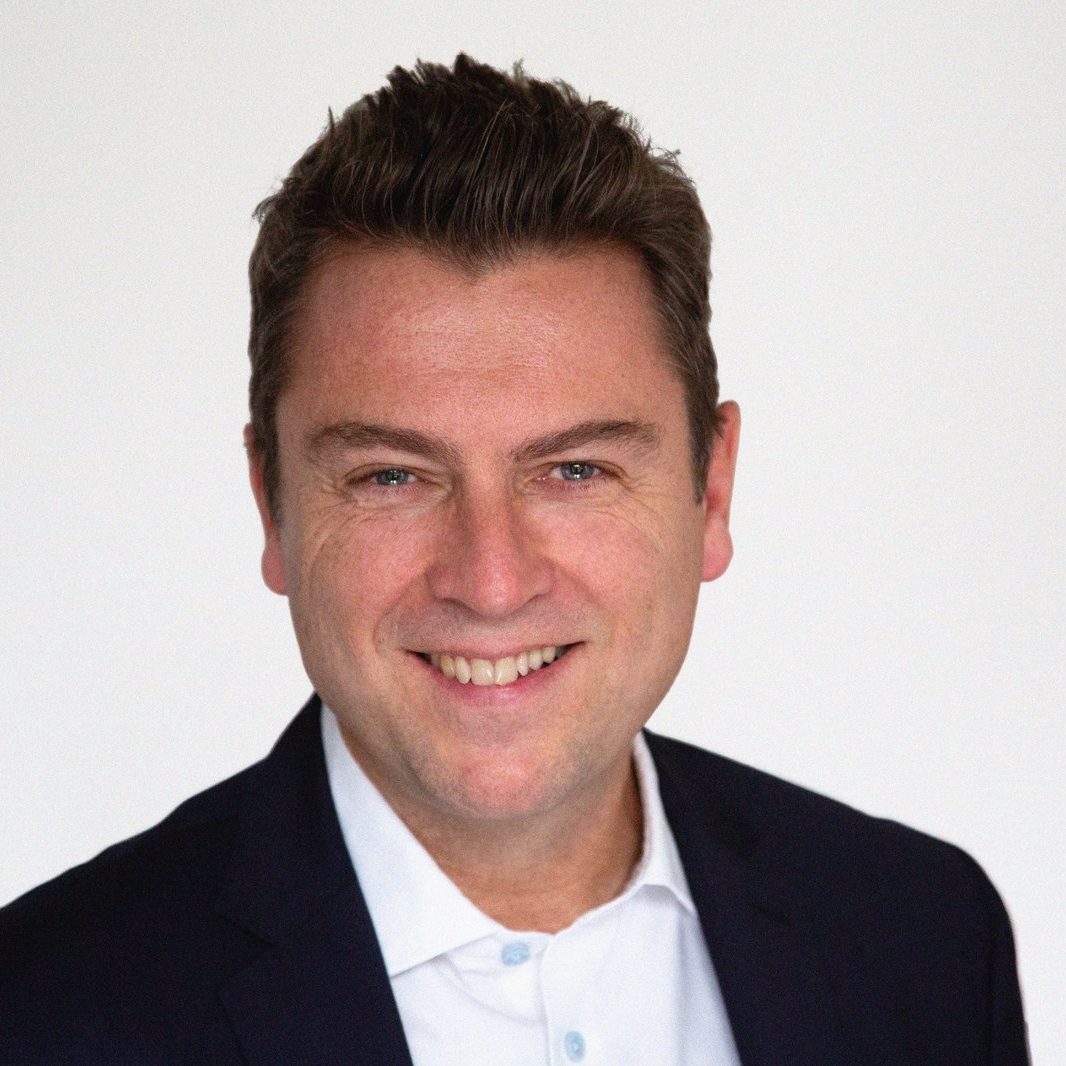
I'm Clive Doble, founder of 58th Concept.
Over more than 25 years I've worked across airlines, luxury hospitality and premium destination retail, including British Airways, Jumeirah, The Savoy and Bicester Village Collection. At Bicester Village Collection, I built and led an international partnership ecosystem accounting for more than £300m in annual tracked sales, and grew the partnerships function from two people to a team of 15.
Growth rarely comes from a single relationship or initiative. It comes from understanding customers, spotting what others have overlooked and bringing the right organisations together around a proposition that creates measurable value. I founded 58th Concept to bring that experience to businesses looking for new ways to grow.
Why 58th Concept? The name comes from the 58 navigational stars, Polaris among them, that travellers have long used to find their direction — fitting for a business that helps organisations find theirs.
Where could your next source of commercial growth come from?
Whether you're exploring a new market, looking for higher-value customers, improving commercial performance or wondering how existing relationships could create more value, I'd welcome a conversation.